

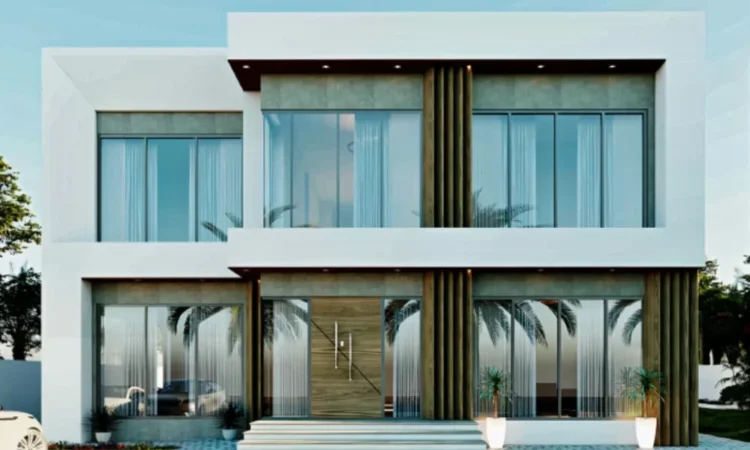

India’s residential real estate market is continuously evolving as technology, infrastructure, lifestyle preferences, and economic conditions influence the way people choose their homes. Today’s homebuyers are looking beyond traditional apartments and focusing on comfort, connectivity, sustainability, and long-term convenience. Residential developments such as Parkland Kalyan reflect the growing interest in housing options that consider modern lifestyle requirements and changing homebuyer expectations. As Indian cities expand and new residential destinations emerge, several important trends are expected to influence the future of the housing market.
1. Growing Demand for Smart Homes
Technology is becoming an important part of modern residential living. Homebuyers are increasingly interested in smart home features that make everyday activities more convenient and efficient.
Automated lighting, smart door locks, video door phones, digital security systems, and app-controlled appliances are examples of technologies gaining attention. These features can help residents manage different household functions while improving convenience and security.
In the coming years, technology may become more closely integrated into residential planning. Developers may focus on digital infrastructure, efficient building management systems, and technology-enabled security arrangements to meet changing customer expectations.
2. Increasing Preference for Lifestyle-Oriented Housing
Modern homebuyers are no longer choosing properties based only on apartment size and price. They also consider the lifestyle offered by the residential community.
Facilities such as swimming pools, fitness centres, landscaped gardens, children’s play areas, walking tracks, and clubhouses are becoming important property selection factors. These amenities provide opportunities for recreation and relaxation without requiring residents to travel far from home.
Projects such as Central Avenue Dombivli can be included in a homebuyer’s research when comparing residential options and understanding the growing importance of lifestyle facilities. Buyers are increasingly evaluating the complete residential environment rather than focusing only on individual apartments.
3. Sustainable and Environment-Friendly Developments
Environmental awareness is influencing the future of residential construction. Homebuyers are showing greater interest in properties that incorporate sustainable features and responsible resource management.
Rainwater harvesting, solar-powered common lighting, energy-efficient electrical systems, waste management facilities, and landscaped green spaces are examples of features that can support sustainable living.
Developers may increasingly adopt environmentally conscious construction methods and efficient building designs. Such initiatives can help reduce resource consumption and create healthier residential surroundings.
However, buyers should verify which sustainability features are actually included in a project instead of relying only on general environmental claims.
4. Infrastructure Development Will Influence Residential Growth
Improved connectivity and infrastructure are expected to remain major factors shaping residential real estate. New roads, highways, metro networks, railway improvements, and commercial centres can make developing locations more accessible.
As established urban areas experience increasing population pressure, homebuyers may explore emerging residential destinations that offer convenient connectivity and essential facilities.
Residential projects such as Mahavir Tranquil Pokhran Road can be considered when researching housing options in established urban locations. Buyers should evaluate nearby transport facilities, schools, hospitals, employment centres, and the actual progress of infrastructure projects before making a decision.
5. Growing Interest in Spacious and Flexible Apartments
Changing family structures and work patterns are influencing apartment design. Remote and hybrid working arrangements have increased interest in homes with additional rooms, flexible layouts, and dedicated workspaces.
Families are also looking for spacious living areas, practical kitchens, better ventilation, and sufficient storage. Instead of simply choosing larger apartments, buyers are paying more attention to how efficiently available space can be used.
Developers may respond to these preferences by introducing different configurations and more functional apartment layouts.
6. Emerging Residential Locations May Attract More Attention
The expansion of Indian cities is creating opportunities in developing residential areas. Locations with improving road connectivity, commercial activity, educational facilities, and healthcare infrastructure may attract interest from different categories of homebuyers.
Meridian Shilphata is another residential project name that buyers can include in their research when comparing emerging housing options. However, it is important to assess existing infrastructure, project approvals, construction progress, and actual location advantages.
Property appreciation is never guaranteed, so buyers should avoid making decisions based entirely on future growth expectations.
7. Greater Focus on Transparency and Homebuyer Awareness
Digital platforms have made property research easier. Buyers can compare projects, explore floor plans, review developer information, and check RERA registration details online.
In the future, transparency, accurate project information, construction updates, and clear pricing may become even more important in building buyer confidence.
Homebuyers are also becoming more careful about checking legal documents, possession timelines, maintenance charges, and additional expenses before purchasing a property.
Conclusion
The future of India’s residential real estate market will be shaped by changing lifestyles, smart technology, sustainable construction, infrastructure improvements, and growing demand for comfortable housing.
For homebuyers, understanding these trends can make property selection more informed and practical. The ideal residential investment should offer a balance of location, construction quality, modern facilities, legal transparency, and long-term convenience. As the housing market continues to evolve, developments that respond to genuine homebuyer needs may play an important role in shaping India’s future residential landscape.