
What Casper Residents Already Know About Local Wildlife
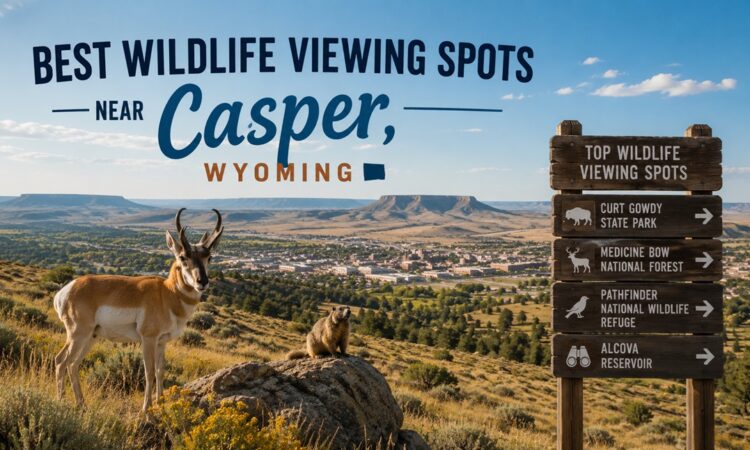
Central Wyoming doesn’t look like wildlife country from the interstate. The high plains around Casper can appear stark — brown, windy, and relentlessly flat in places. But local residents know what visitors miss entirely: this landscape holds one of the highest concentrations of pronghorn antelope in North America, significant raptor populations along the North Platte River, seasonal elk migration through the Casper Mountain corridor, and migratory waterfowl stopping at area reservoirs in numbers that regularly surprise out-of-towners.
You don’t need to drive to Yellowstone to see remarkable wildlife from Casper. Some of the best viewing is within twenty minutes of downtown.
Top Wildlife Viewing Areas Near Casper
Casper Mountain is the most immediate option. At 8,000 feet, the mountain supports mule deer, elk, wild turkey, and a range of raptors. Early mornings in September and October, when elk are in rut, are particularly dramatic — you can hear bugling before dawn from the lower campgrounds. The mountain is accessible year-round (snow permitting), and the Beartrap Canyon area on its west face is a reliable elk corridor.
The North Platte River corridor running through and east of Casper is prime bird country. Bald eagles winter along this stretch in significant numbers — December through February sees consistent sightings near Edness K. Wilkins State Park, which sits just east of the city. Great blue herons, white pelicans, and numerous duck species use the river year-round. The park’s easy walking paths make it accessible for any fitness level.
Alcova Reservoir, about 35 miles southwest of Casper, adds a different dimension. Pronghorn are virtually guaranteed year-round along the highway approaches — this is open sage and grassland habitat where herds of 20–50 animals are a routine sighting, not a lucky one. Golden eagles hunt the ridgelines above the reservoir frequently, and osprey nest in the area seasonally.
Hell’s Half Acre, further west toward Shoshoni, is an often-overlooked site — a dramatic eroded landscape that shelters raptors, rattlesnakes (worth noting in warmer months), and the occasional coyote.
Seasonal Viewing Guide for Casper-Area Wildlife
| Season | Best Wildlife & Location |
| Spring (Apr–May) | Migratory birds at North Platte; pronghorn with newborn fawns at Alcova |
| Summer (Jun–Aug) | Mule deer on Casper Mountain; osprey fishing at Alcova |
| Fall (Sep–Oct) | Elk rut on Casper Mountain; waterfowl staging on reservoirs |
| Winter (Nov–Mar) | Bald eagles at Edness Wilkins; wintering pronghorn herds on open plains |
Practical Advice from Experienced Local Observers
Early morning and the hour before sunset are when activity peaks — predictably for most species, and dramatically so for elk and pronghorn during active seasons. Binoculars are more valuable than telephoto lenses for most Casper-area wildlife because sightlines are long; you’re often watching animals moving across open terrain rather than waiting for close approach.
Wind is a constant in central Wyoming, and animals use it. Pronghorn position themselves to scent approaching threats, which means approaching from downwind — or simply parking and observing from a distance — produces far better results than trying to get close on foot. The Wyoming Game and Fish Department’s Casper regional office is a genuinely useful resource for real-time movement reports, especially during hunting season overlaps when wildlife patterns shift.
Keep expectations calibrated for conditions. Casper sits at 5,000 feet and is notoriously windy year-round. The wildlife is resilient to that; visitors sometimes aren’t. Dress for weather that’s at least one layer colder than the forecast suggests.